

Science & Technology Engagement and Analysis Division
Accelerate and expand the boundaries of scientific discovery and technology transition through collaborative innovations, robust analyses, educational enrichment, and effective partnerships.
Kate Klemic Ph.D.
Director of Science & Technology Engagement & Analysis
Areas of Focus
S&T Analytics
STEAD’s team of data analysts and data scientists leverage an array of in-house analytics tools to monitor and analyze the expansive S&T innovation landscape. We identify, investigate, and exploit research and technology transition opportunities using a range of capabilities including data engineering, scientometrics, market scanning, mission engineering, operational analysis, and more. Our analyses provide insights on emerging trends, key players, and S&T impacts.
Technology Collider Events
STEAD hosts virtual and in-person Technology Collider events that gathers representatives from across the DoD/federal agencies, industry, and academia. Our S&T analytics identifies individuals and organizations who have the technology interest and expertise and then we utilize our targeted marketing approaches and facilitation expertise to get the “right people in the room” and make each event a success.
Technology Forecasting
STEAD specializes in technology forecasting workshops that gather subject matter experts from across industry, academia, and government agencies to examine emerging research and engineering areas like AI, quantum science, and wireless networks critical to the future technology capabilities. We leverage our S&T analytics to identify thought leaders across academia, industry, and government to invite to the workshops and utilize design thinking principles to gather insights that are synthesized into a research trajectory that empowers decision makers to identify and seize potential opportunities.
STEM and Workforce Development
STEAD provides extensive STEM and workforce development programming to inspire the future workforce and upskill the current workforce needed to meet tomorrow’s national security challenges. Our hands-on STEM and “Train-the-Teacher” opportunities inspire the next generation of scientists and engineers. Our professional development training leverages expertise from academia and industry to strengthen the technical and non-technical skills of today’s S&T workforce.
Program Highlights
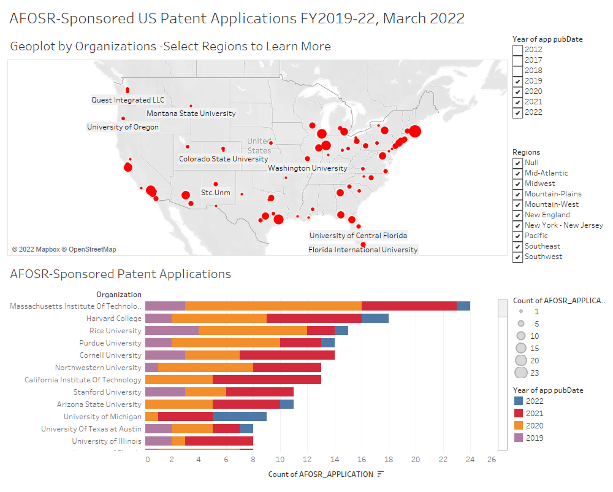
We are Tracking 754 active AFOSR related patents, 393 applications, 361 granted patents. We provide awareness on all 2575 US granted patents for AFOSR since 1976.
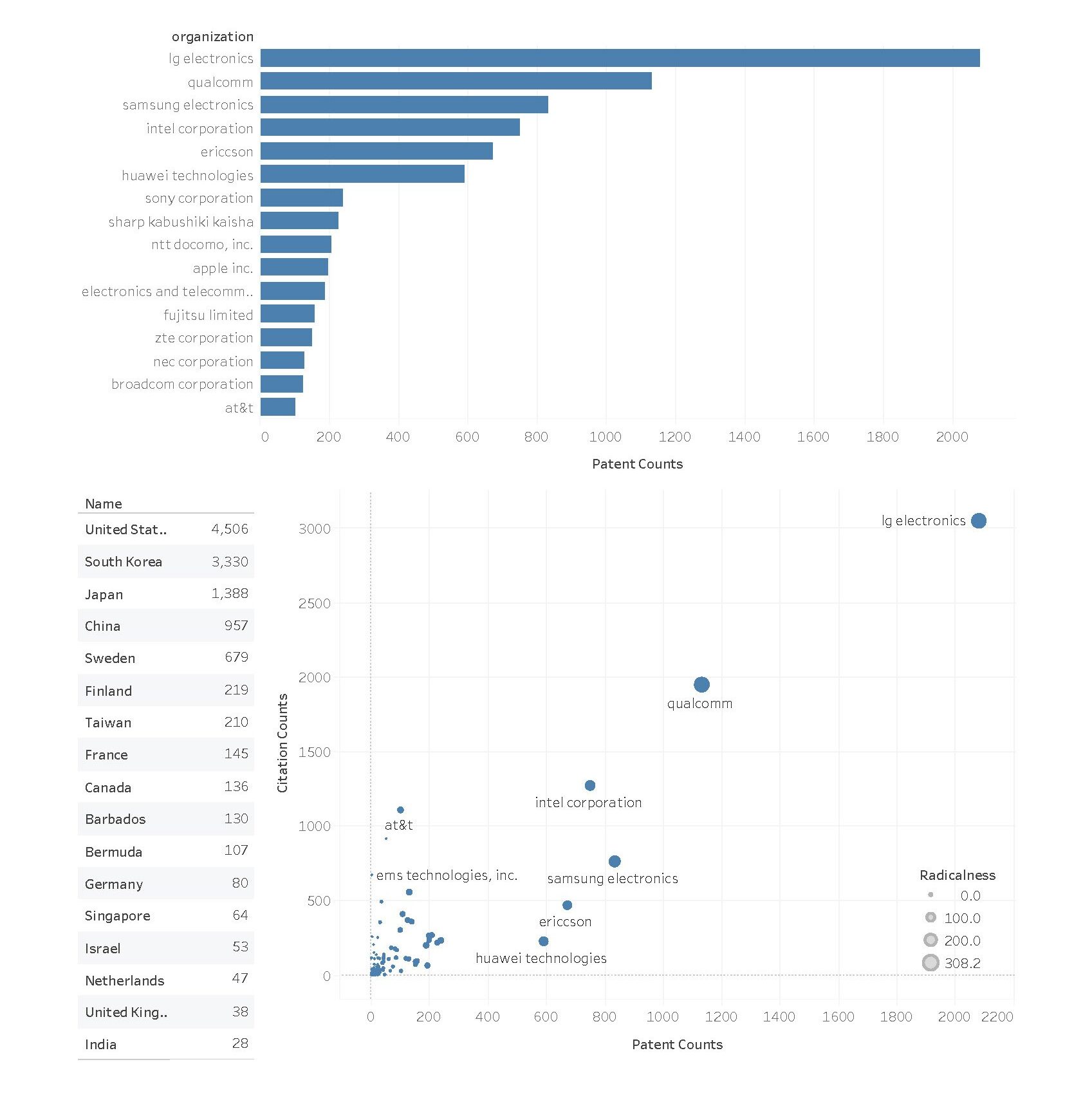
An AF Futures-directed study on spectrum sharing/cognitive radio. The analytics were used by our research team to guide deeper qualitative research on organizations and individuals identified to understand what spectrum
sharing technology is currently developed or being developed.
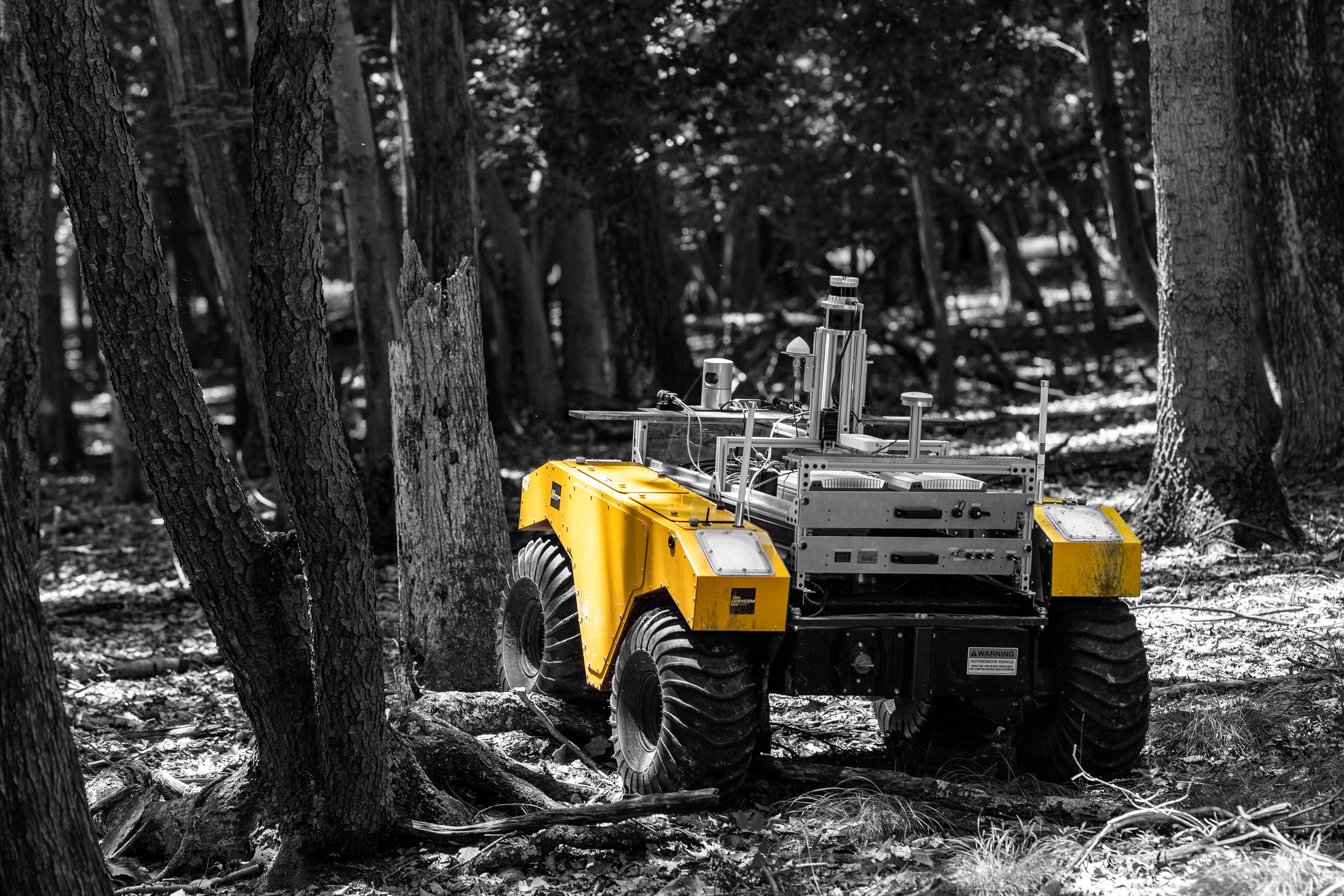
Each year, the Army STTR program develops a set of research topics that represent the Army’s current and anticipated warfighting technology needs, a portion of which are included in ther DoD STTR program. Proporals
for this program are developed by a small business in partnership with a nonprofit research institution to find innovative solutions for the US army. VT-ARC’s team works to provide the Army STTR program with the
best pool of potential candidates by using a combination of analytics and outreach. The team identifies relevant small businesses and research institutions working in key technology areas and hosts a variety of
outreach webinars meant to educate candidates on the STTR program and the Army’s needs, while providing networking opportunities to find the right application partner. The capstone of this effort is an Industry
Day where candidates can interview and hear from topic authors to gain additional understanding on Army needs. VT-ARC also maintains an outreach website, with Success Stories, process information, topic descriptions,
and other useful resources for candidates.