

Engineering,Test & Evaluation Division
Experienced team of senior systems, network, and software engineers and project managers with deep industry and government experience, providing advanced wireless and sensing engineering solutions for public and private sector customers in terrestrial networks, space communications, and autonomous systems.
Charles Cockrell
Director of Engineering, Test & Evaluation Division
Focus areas: strategy, business development, systems engineering, space systems, innovation, strategic partnerships, technology commercialization, program management
Ashish Patel
Deputy Director of Engineering, Test & Evaluation Division
Focus areas: Program management, 5G/Open RAN prototyping, systems integration, Satcom/NTN, mobile network build, and laboratory operations, strategy, business development, systems engineering, space systems, innovation, strategic partnerships, technology commercialization, program management
Core Capabilities
Technical Domains
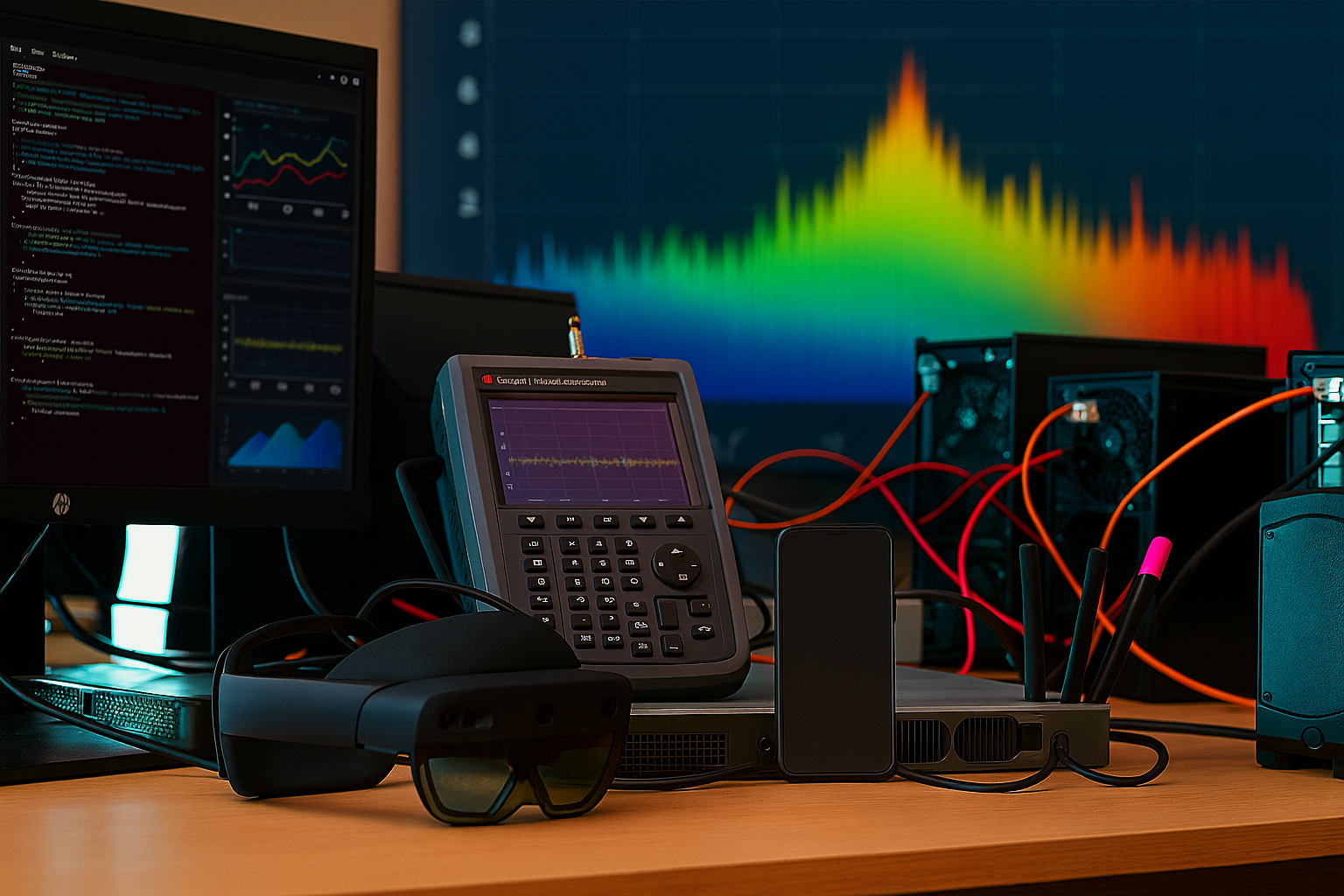
Spectrum Modeling & Engineering
- Radio Frequency (RF) propagation prediction models and tools
- Electromagnetic Compatibility (EMC) standards
- Communications payload integration on non-terrestrial network (NTN) platforms
- Clutter loss sensing and measurement
- Active PNT-assisted spectrum sharing
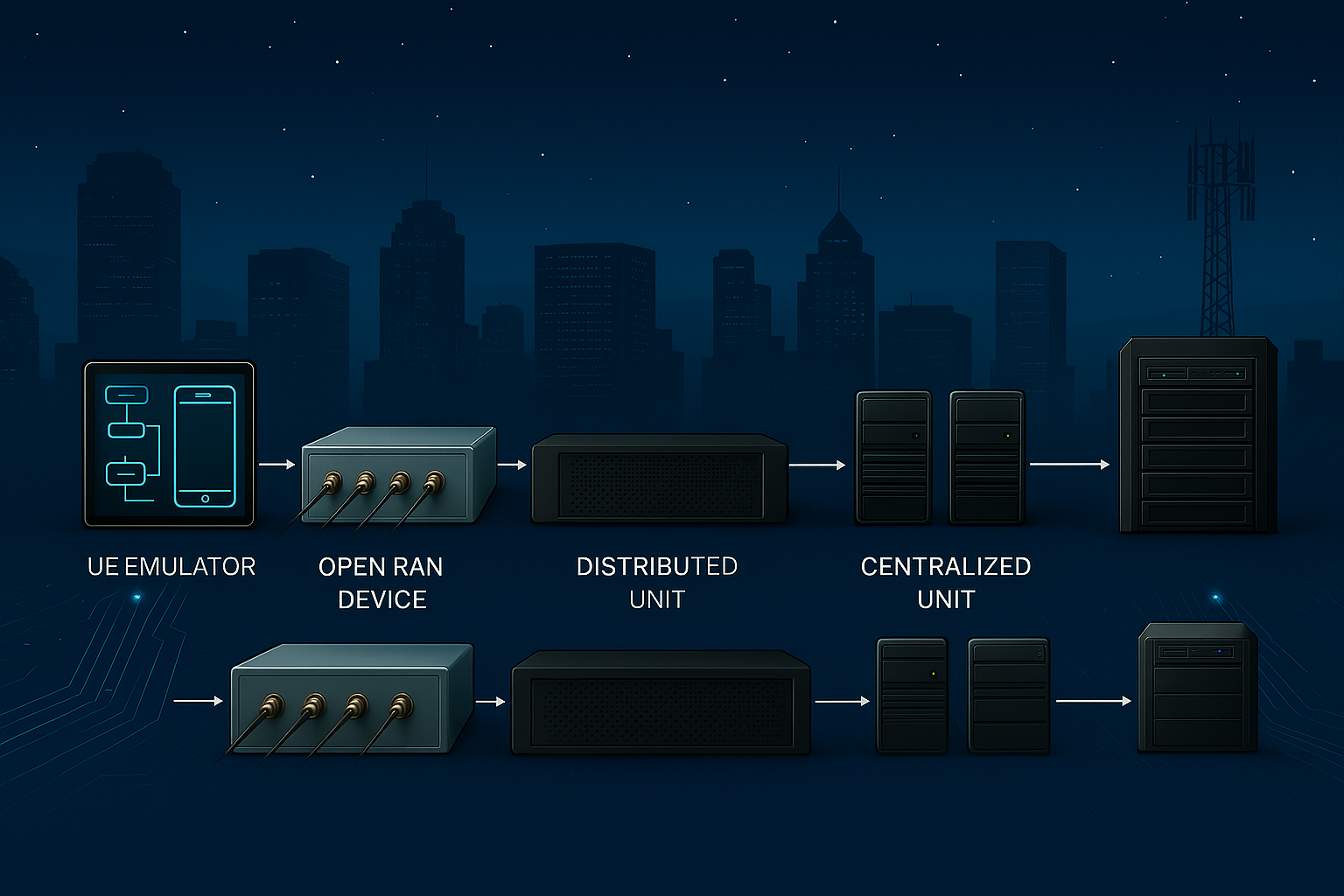
O-RAN integration, evaluation, and commercialization
- Radio Unit (RU) development engineering and commercialization
- Device Under Test (DUT) end-to-end testing
- RU integration with Centralized Units (CU) and Distributed Units (DU)
- RU-CU-DU multi-vendor validation
- O-RAN Alliance conformance, IoT, & security testing

3GPP-based Next-G Networking Prototyping & Validation
- Commercial 5G network security testing
- Contraband Interdiction System (CIS) testing and assessments
- Private 5G network enhancement prototypes
Systems Development and Demonstration

Prototype Networks
- Systems Engineering applied from concept to deployment
- Design and integration of lab, field, hybrid, and commercial systems
- Integration of new systems with existing platforms with security and performance validation
- Independent verification & validation against standards and user needs
Laboratory Validation
- Open RAN testbed (3GPP & O-RAN)
- End-to-end networks
- Commercial cores and radios
- Open-Source Platforms
Field Testing
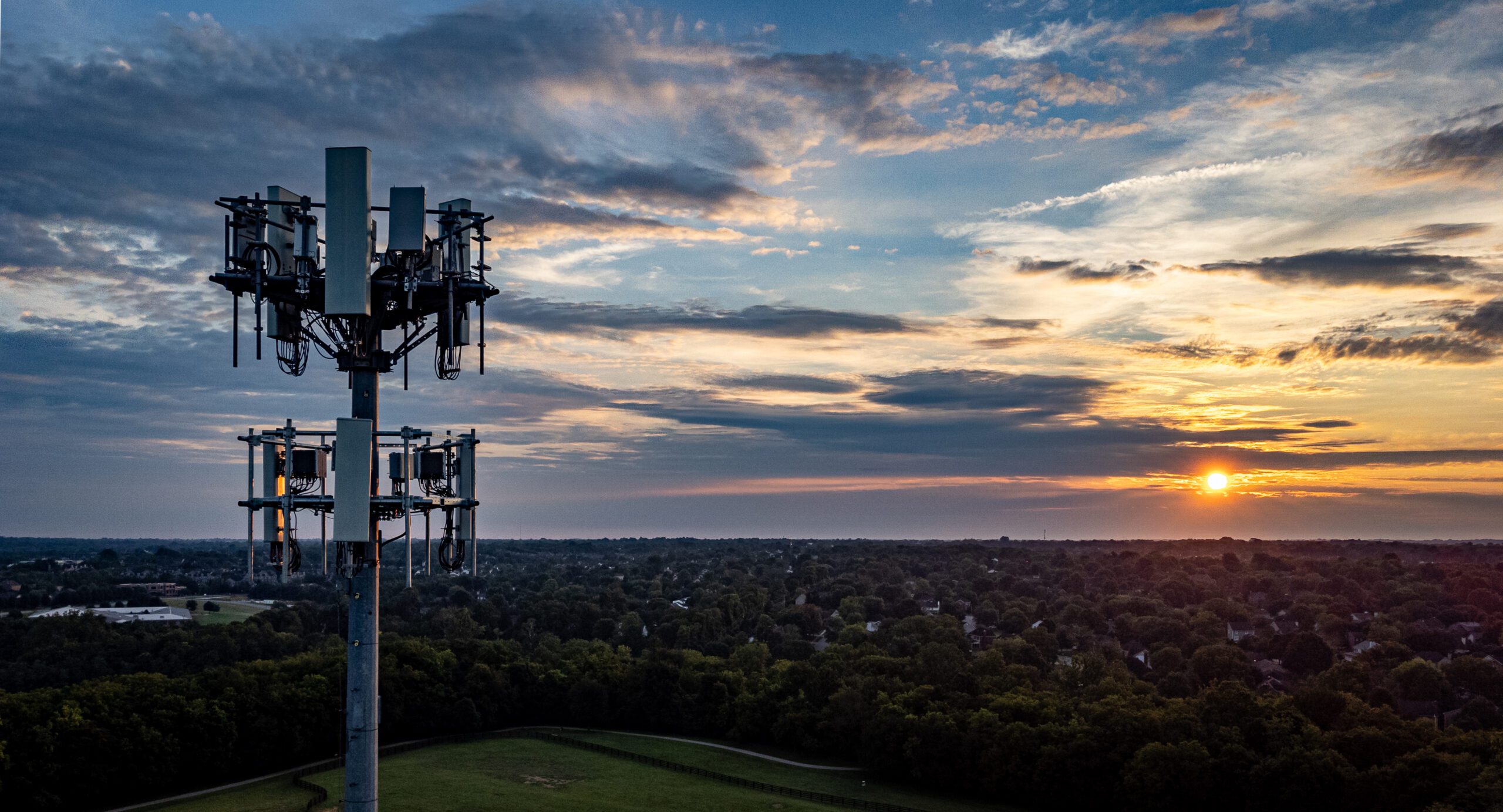
- “Lift and ship” deployable systems
- Access to FCC experimental licenses at multiple sites
Testbeds & Facilities
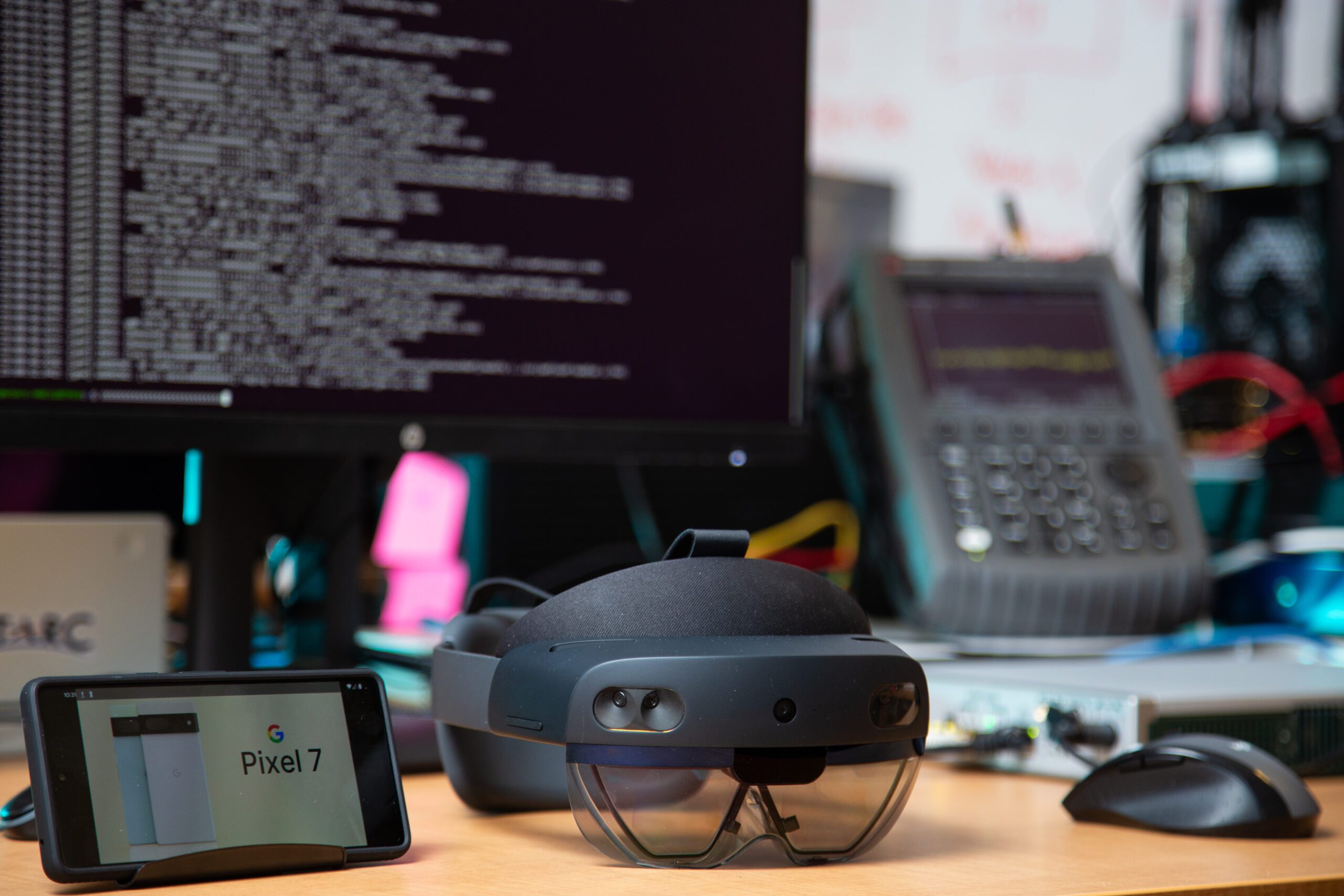
5G/xG Wireless Engineering and Research Lab (WERL™)
Secure on-site laboratory environment to validate standards-based performance and security with commercial grade equipment with operational use cases
- Security assessments including slicing and transport security
- Industry guided, government-prioritized test campaigns
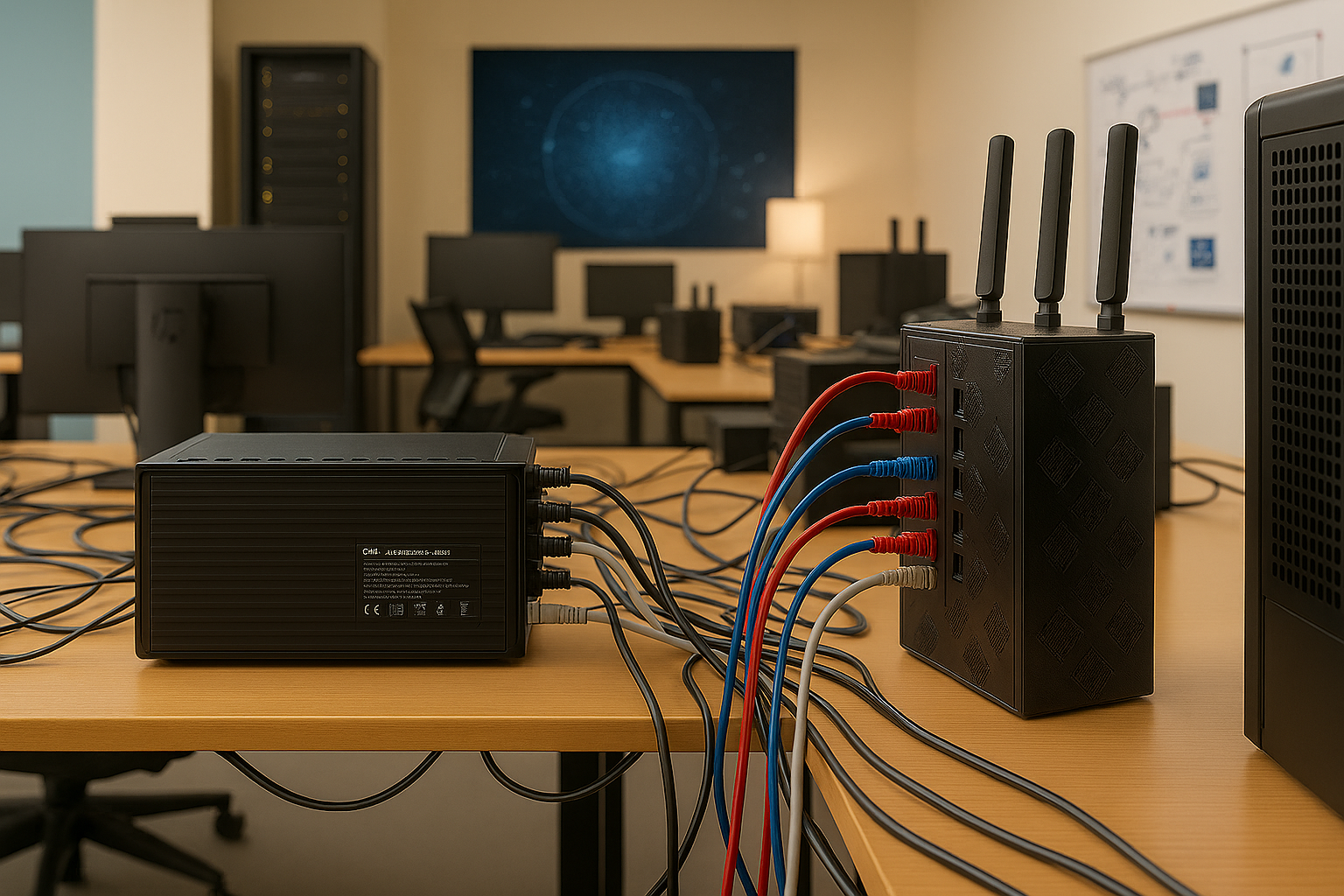
VT-ARC Open-RAN Test and Experimentation X-G (VORTEX) Testbed
Parallel open-source Open-RAN and 3GPP-compliant network, enabling interoperability, conformance, and system integration testing
- Open-source software interoperability and multivendor testing
- Open architectures, cloud integration, and virtualization
- Near-Real-Time RAN Intelligent Controller (RIC) and xApp Development Environment
Mission Delivery Highlights
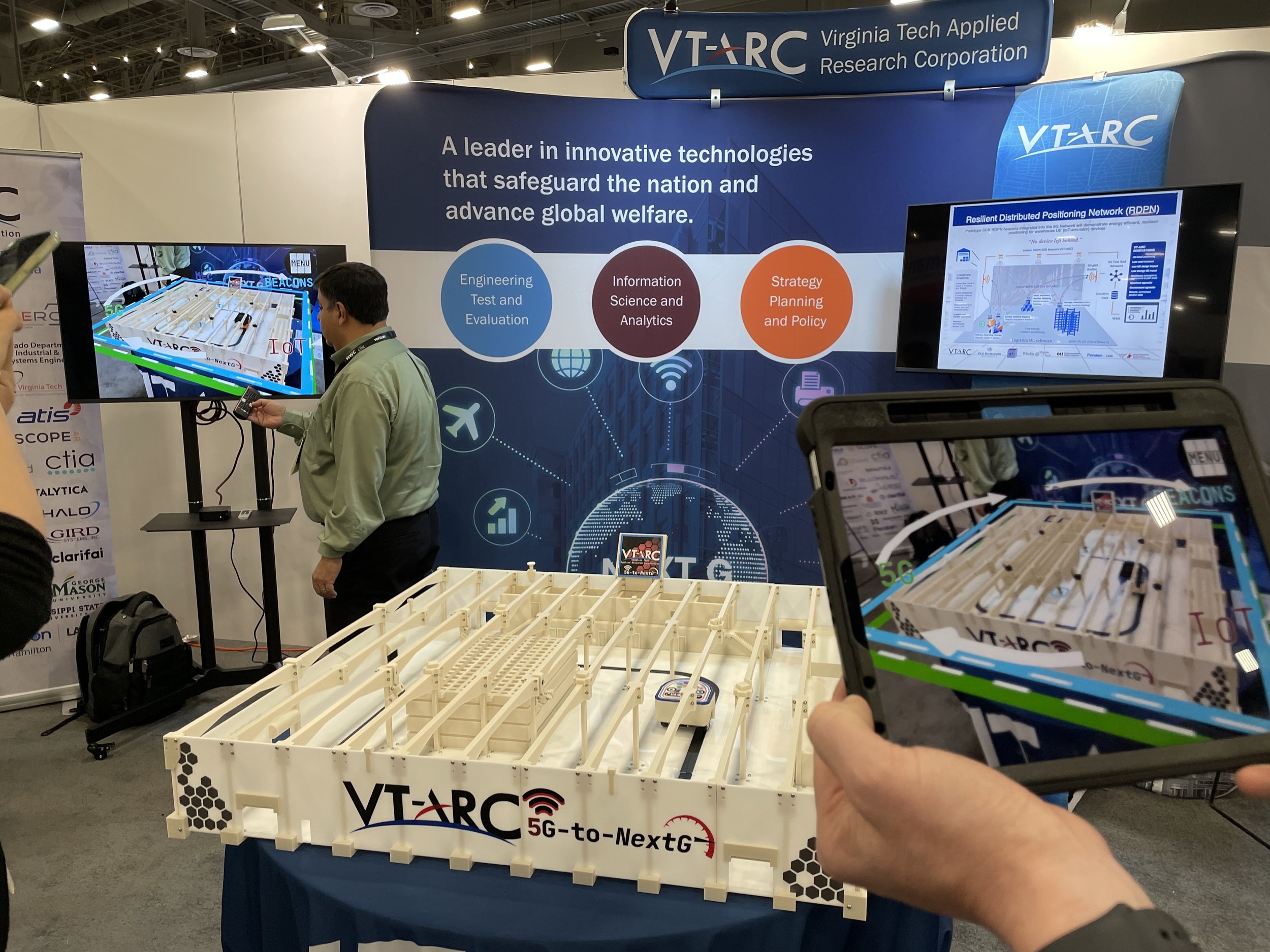
Delivered two first-of-a-kind 5G prototype technologies—Resilient Distributed Positioning Network (RDPN) and Distributed Coherent MIMO (DCM)—for defense logistics operations.
Advanced these technologies from academic research to operational prototypes integrated into the Albany, GA 5G Smart Warehouse testbed.
Enabled rapid and expanded commercial access to the AWS 3 band by leading interference testing, modeling, and mitigation efforts between 5G/LTE and incumbent defense systems.
Delivered technical advances that significantly improved interference prediction realism, unlocking broader spectrum use and regulatory approvals.
Defined and validated Uplink Frequency Avoidance (Notching), enabling early approval of licenses valued at $140M and supporting full approval of an additional $1.42B in spectrum licenses.
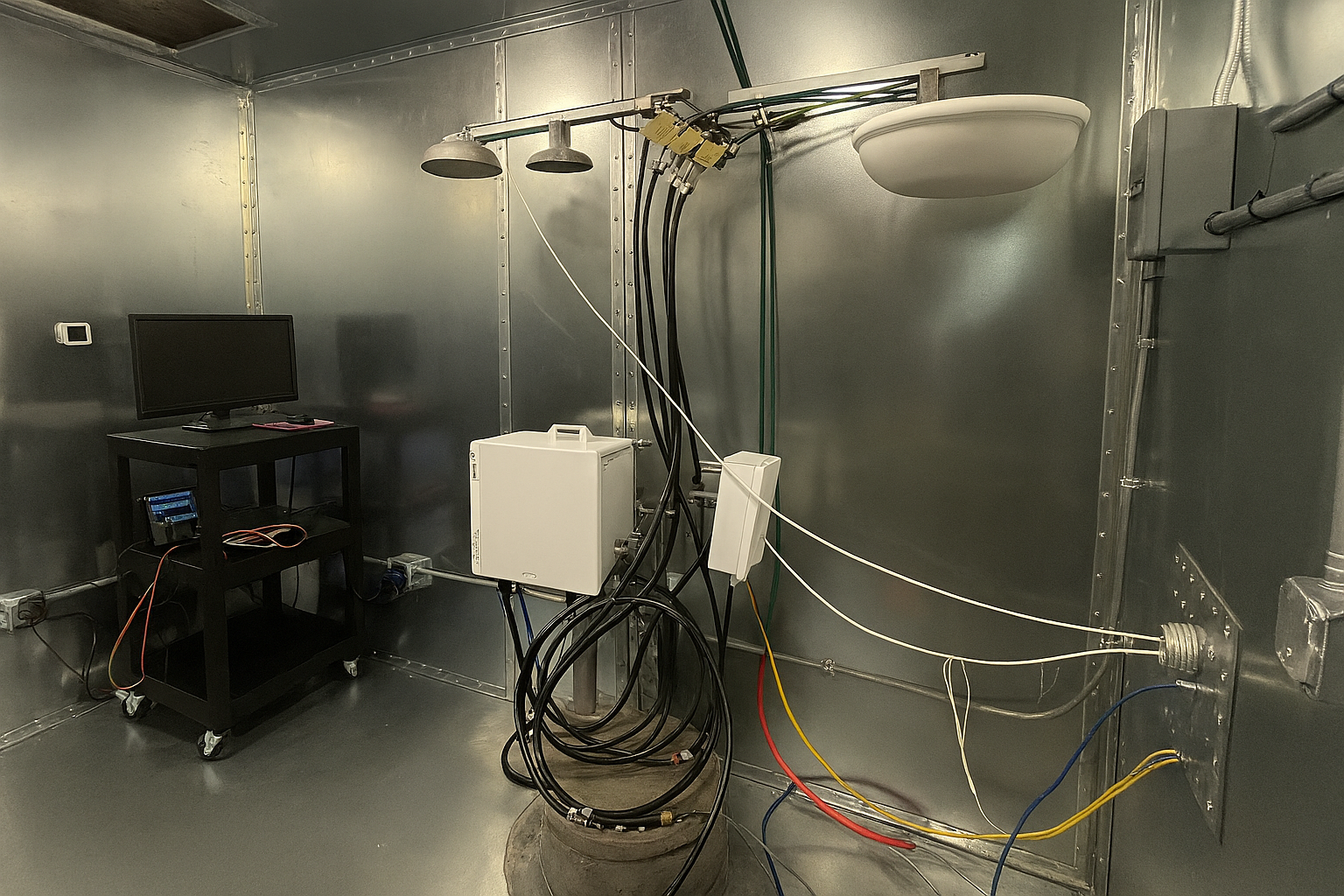
Completed end-to-end O-RAN interoperability and Over the Air (OTA) validation across multiple 5G new Radio (NR) Frequency Range (FR1) bands using VTARC’s portable testbed.
Demonstrated integration of commercial ORAN radios with open-source centralized unit and distributed unit (CU/DU) platforms for fronthaul integration.
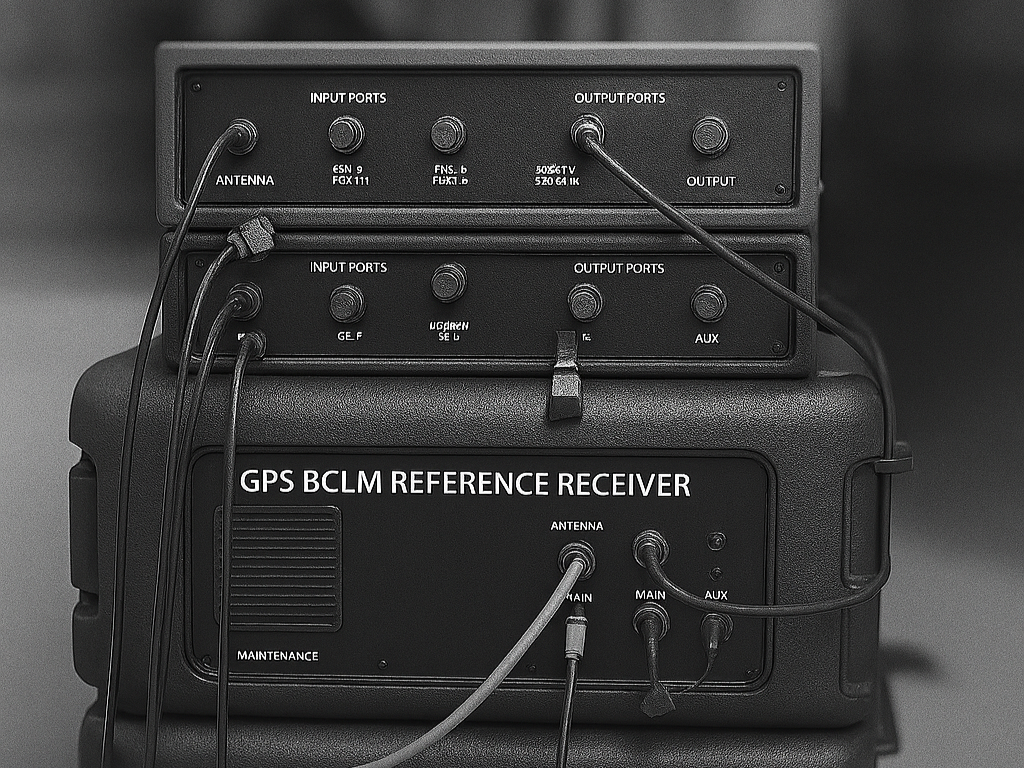
Demonstrated superior, site-specific clutter loss characterization via GPS-enabled field testing, known as GPS-Based Clutter Loss Measurement (BCLM) technology, enabling more accurate interference assessment between commercial 5G and incumbent federal systems.
Applying BCLM to a PNT-Assisted Spectrum Sharing Solution (PASS) approach for Advanced Spectrum Coexistence (ASC) in the lower 3 GHz band with an industry partner.
Advancing PASS toward operational integration through ASC field test demonstrations.
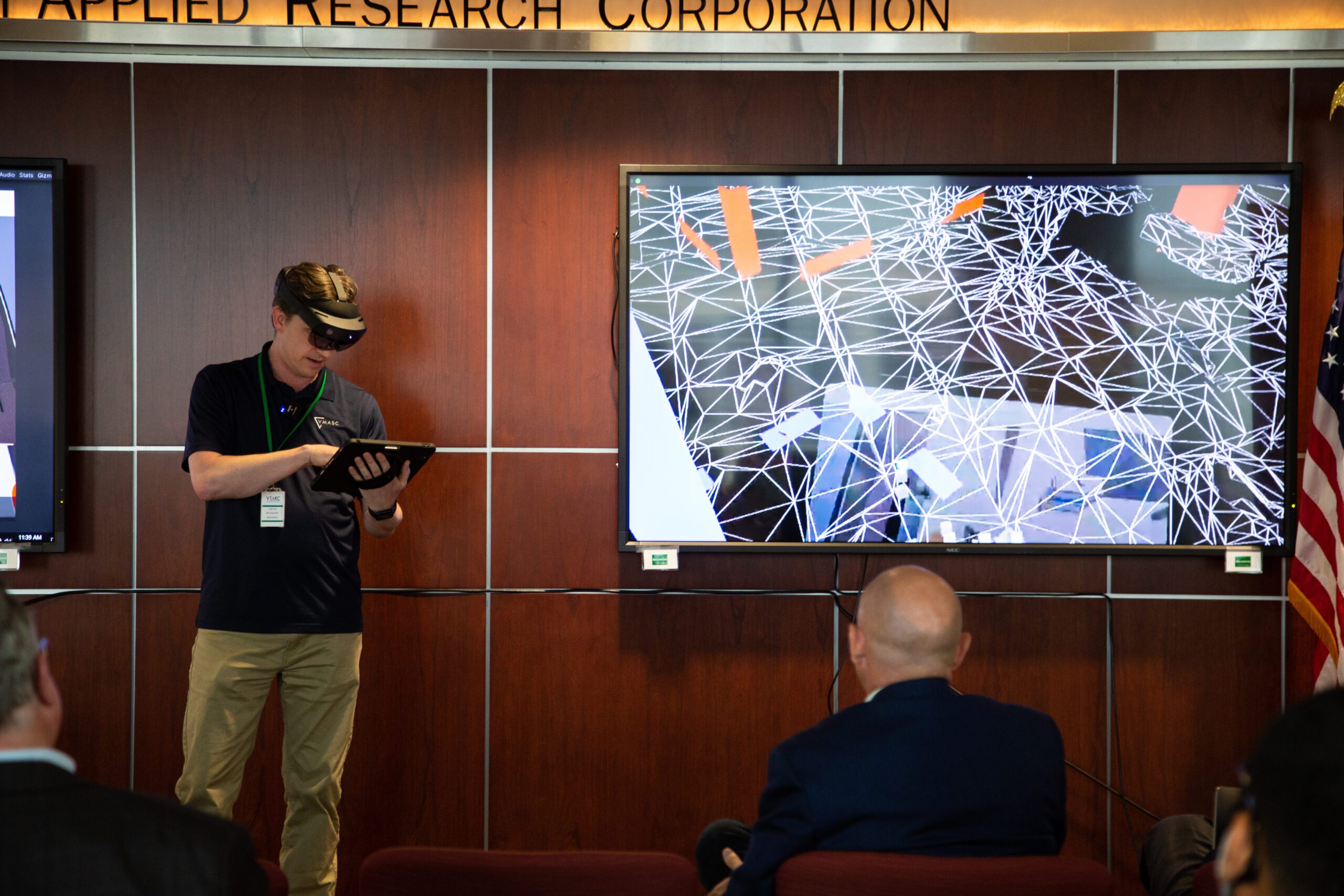
Established an industry-supported 5G Security Testbed, executing rigorous, real world security testing across 5G non-stand-alone (NSA) and stand-alone (NSA) architectures.
Validated foundational 5G security use cases—including CSRIC recommendations of the FCC’s Communications Security, Reliability, and Interoperability Council (CSRIC), network slicing, and zero trust enablers—on a commercial-grade 5G network.
Established VT-ARC as a trusted, independent authority in 5G security testing, supporting government, industry, and standards bodies with transparent, repeatable results.
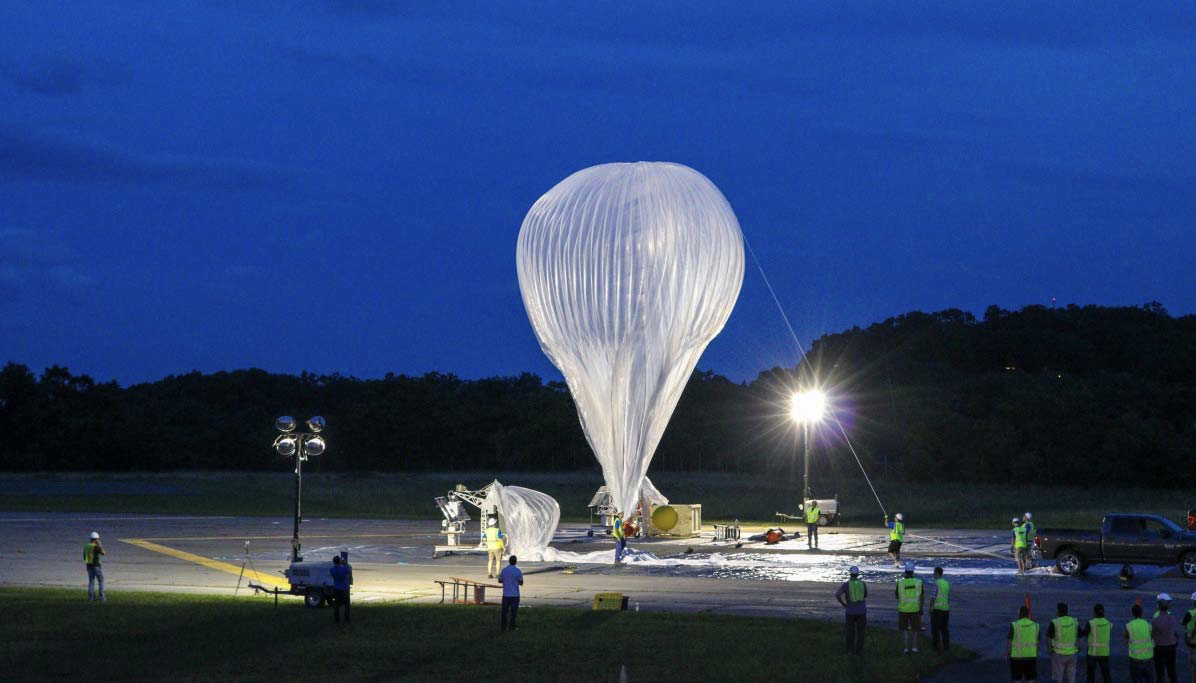
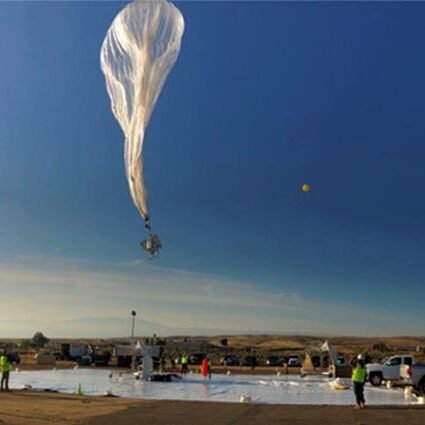
Analyzed HAPS-enabled Non Terrestrial Network (NTN) use cases across commercial, civil, and defense missions, with emphasis on 5G integration and mission critical operations.
Defined technical, operational, security, and regulatory challenges affecting HAPS deployment, including spectrum management, latency, resilience, and platform endurance.
Proposed flexible, standards aligned NTN HAPS architectures leveraging 3GPP and O RAN concepts to enable scalable, low latency connectivity across diverse environments and operational scenarios.

Innovation Focus Areas
Advancing innovative ideas and capabilities for future needs in terrestrial networks, space communications, and autonomous systems
AI-RAN and 6G Progression
Integrated Sensing and Communications (ISAC)
Dynamic Spectrum Sharing
AI/Ml-Integrated Test and Evaluation (T&E)
Get in Touch
Interested in collaborating or scheduling lab time?